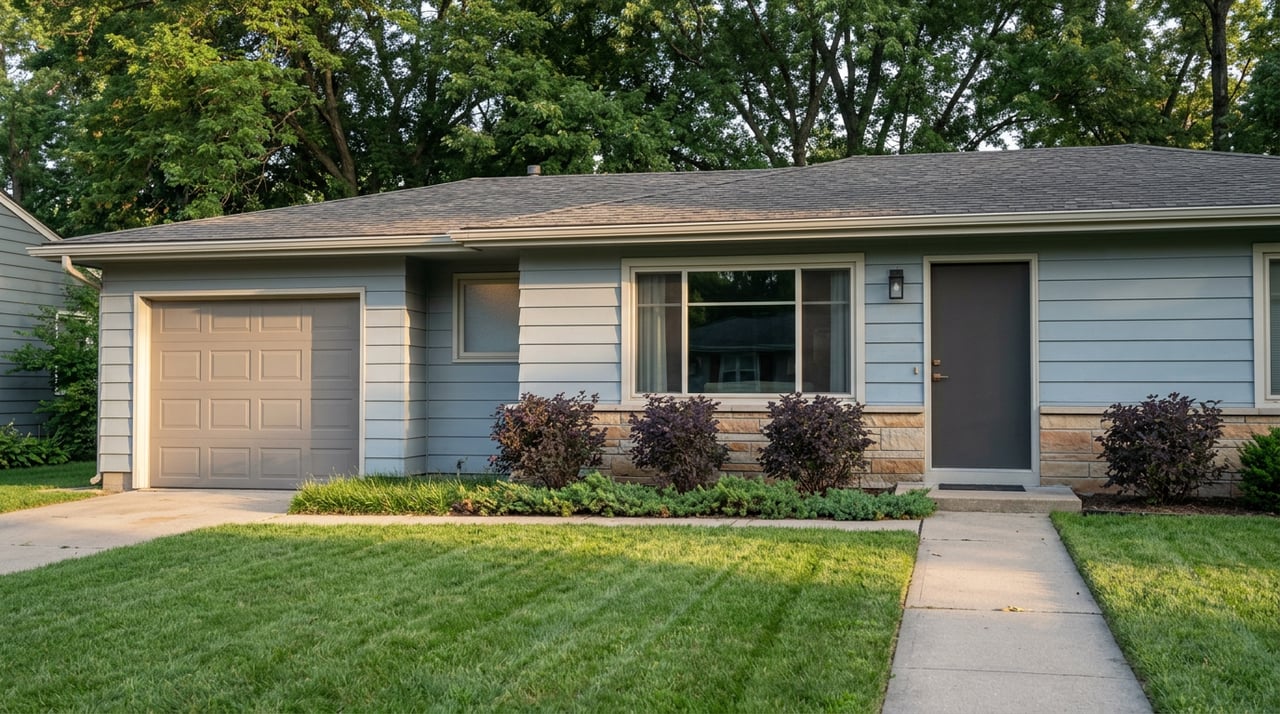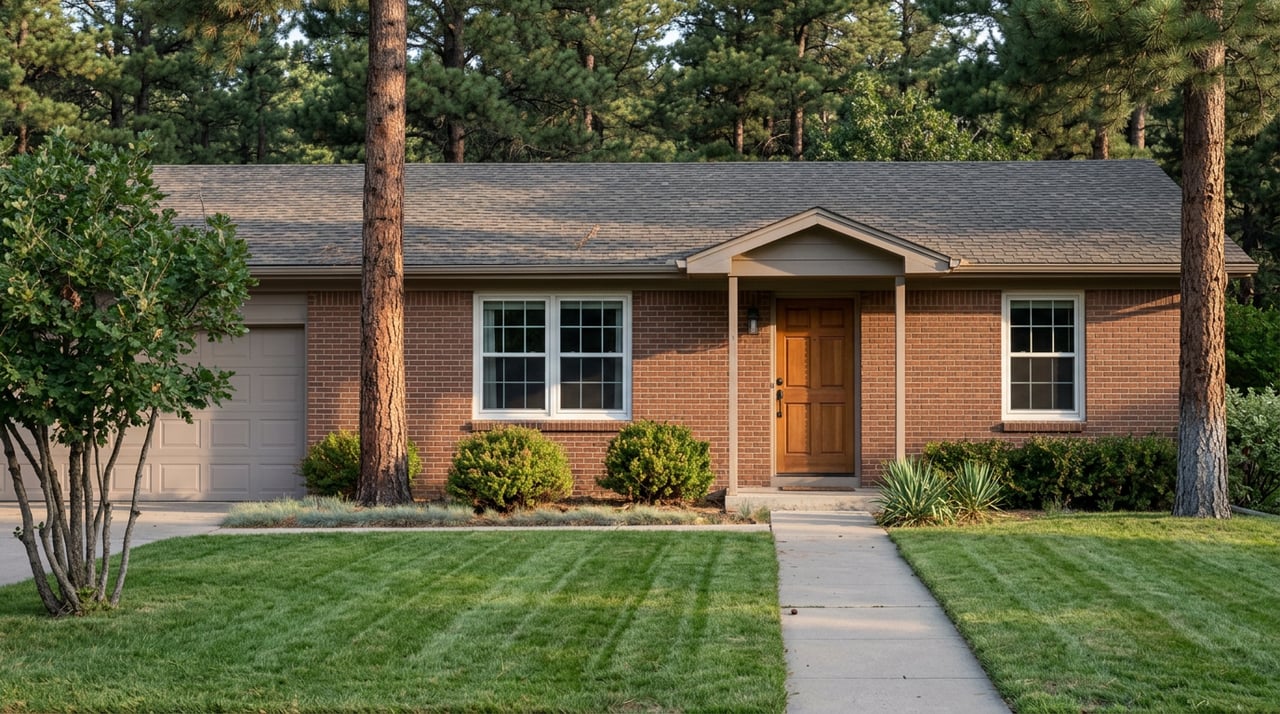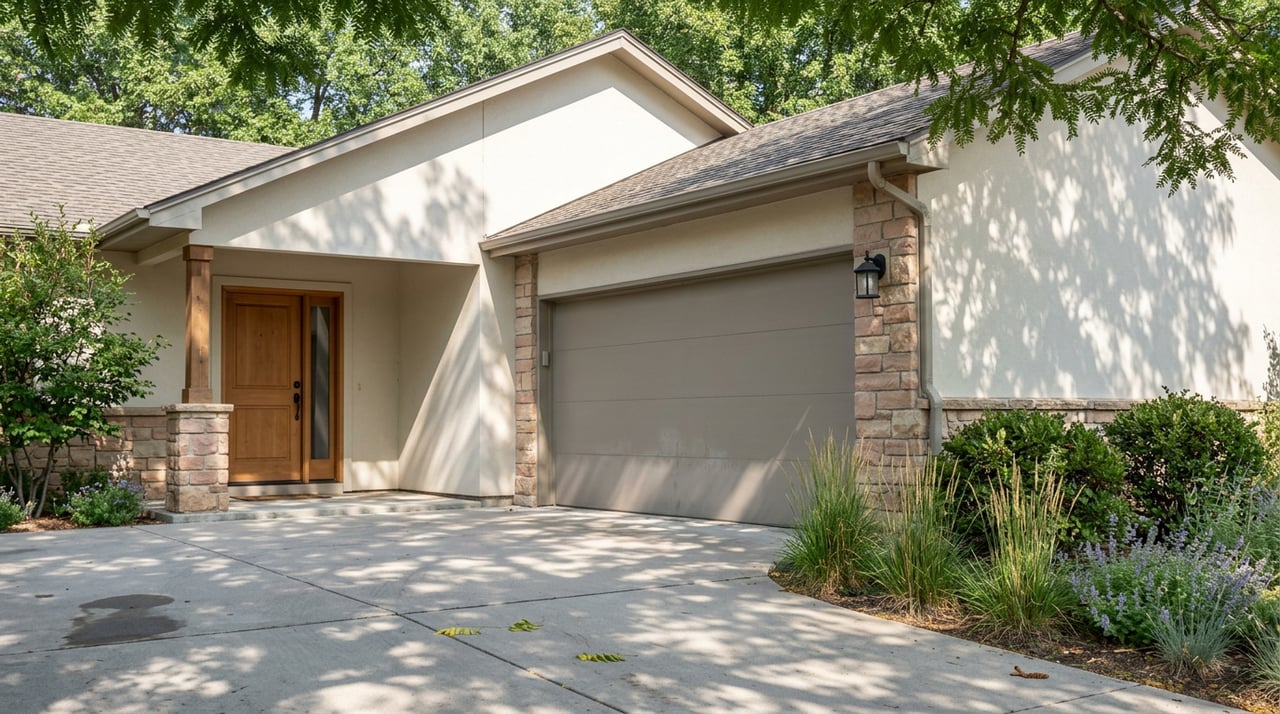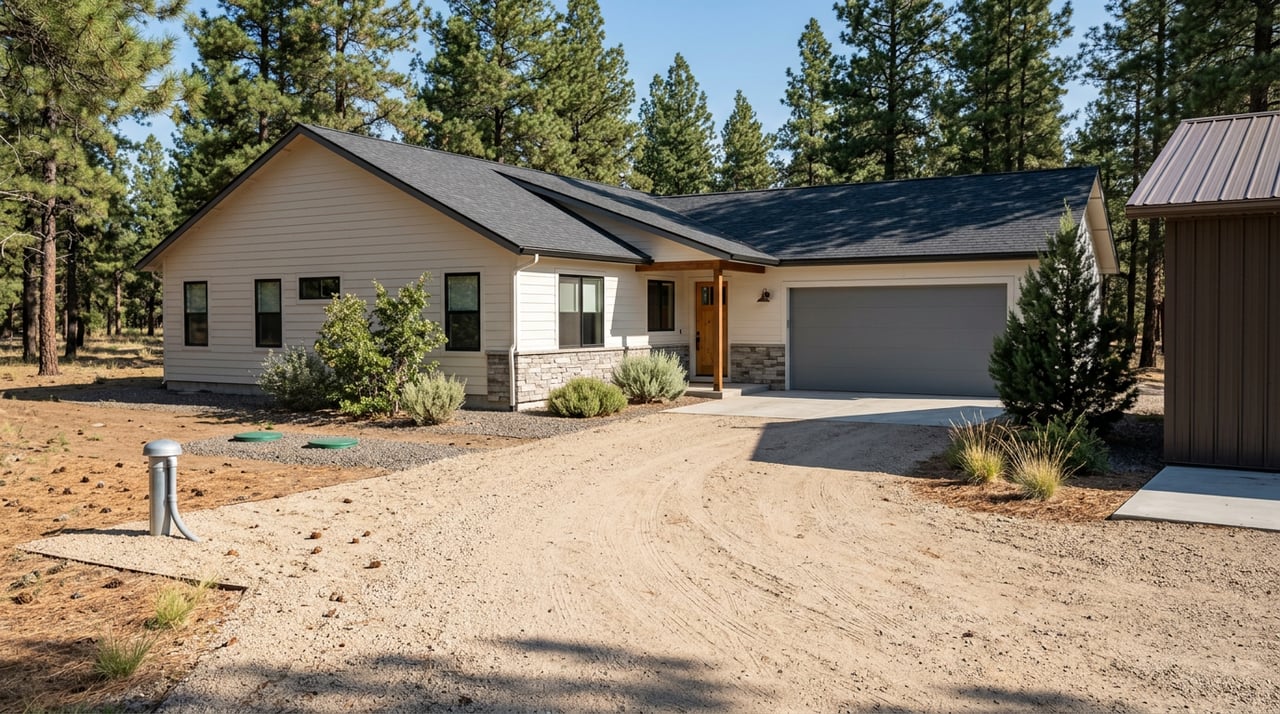
Thinking about that perfect five-acre hideaway under the pines in Black Forest? Rural acreage brings freedom and privacy, but it also shifts your due diligence to wells, septic, zoning, and wildfire. In this guide, you’ll learn how to verify water, evaluate an on-site wastewater system, confirm land-use rules for outbuildings and animals, and plan for fire mitigation and insurance. You’ll also get a practical checklist to keep your contract on track. Let’s dive in.
Black Forest acreage basics
Most Black Forest parcels in unincorporated El Paso County rely on a private well and an on-site wastewater treatment system instead of city utilities. That changes your inspection scope and closing steps compared with an in-town Colorado Springs home. You will pull different records, schedule different inspections, and confirm different permits. Wildfire history and access conditions also play a role in insurance and day-to-day livability.
If you approach the process with a clear plan, you can protect your timeline and your budget. Start by lining up records early, then schedule the right field tests and inspections. Keep your lender and insurer in the loop so there are no surprises near closing.
Wells: permits, performance, and water quality
Where to find well records
In Colorado, the Division of Water Resources (DWR) permits wells and keeps the primary files. You can look up permits, well construction details, and pump-installation records through the DWR’s permitting tools. Start by pulling the DWR well-permit file for the property to confirm allowable uses, construction, and any notes on shared use. Use the state’s resource at the Colorado Division of Water Resources well permitting page: DWR well permitting and records.
What to request from the seller
Ask for the full DWR permit file and any well log or driller notes that show depth, casing, and screened intervals. Request any recent pump test or yield data, plus the date and method. Ask for the latest water-quality lab results. If the well serves more than one parcel, request the recorded easement and any maintenance or cost-sharing agreement. For water testing guidance, use the state’s private well resources at the Colorado Department of Public Health and Environment: private well water and health.
Testing and yield basics
If no recent lab results are available, set a contingency for a baseline test. A standard panel often includes total coliform and E. coli, nitrate and nitrite, pH, total dissolved solids, iron and manganese, and lead and copper for older plumbing. Depending on geology and risk, you may also add arsenic, uranium, and a VOC or PFAS screen. Annual bacteria and nitrate testing is commonly advised after you move in. CDPHE’s guidance outlines what to test and why, and it can point you to local labs.
Aquifer context you should understand
Many rural wells near Colorado Springs draw from bedrock aquifers, such as the Denver Basin. These can be deep and may have different long-term yield behavior than shallow alluvial wells. Ask whether the on-site well is bedrock or alluvial, confirm the pump test, and discuss drought resiliency with a qualified well professional. Your purchase timeline should allow room to review results and, if needed, negotiate repairs or system upgrades.
Red flags to watch for
Be cautious if the parcel has no permit on record, if the well log is missing, or if the documented yield is low. Lab results that show bacteria, nitrates, or other contaminants above recommended thresholds need attention. Shared wells without a recorded easement or cost-sharing agreement are another risk. Bring in a licensed well driller or hydrologic professional during your inspection window to review findings and advise on next steps.
Septic systems in El Paso County
Who regulates OWTS and what you need for a sale
El Paso County Public Health regulates on-site wastewater treatment systems (OWTS) in unincorporated areas, including much of Black Forest. You can request the county’s OWTS file to see the as-built plan, permit history, tank size, and drainfield location. For real estate transactions, the County provides a Property Sale acceptance process, and a certified property-sale inspector typically prepares the report you will use for closing. Start with the county OWTS program hub: El Paso County OWTS program, and for sale-specific steps, review the OWTS property sale process.
Tank sizing, setbacks, and common system types
The County publishes design tables that set minimum tank sizes by bedroom count and list required horizontal separation distances between wells, tanks, and soil treatment areas. For example, the tables show typical minimum distances from tanks and drainfields to potable wells, and they outline acceptance rates for different soils. Conventional gravity systems are common where soils permit. Where soils are marginal or shallow over rock, you may see pressure-dosed trenches, mounds, lined sand filters, or aerobic treatment units. Review the County’s design tables before you buy: OWTS design tables and setbacks.
Operation, maintenance, and records
Higher-level systems, such as aerobic treatment units, often require maintenance contracts and periodic inspections. Keep copies of maintenance logs and inspection records with your home file, and confirm that any required contracts are current. If you plan future additions or outbuildings, ask early how changes might affect setbacks and reserve area for a replacement drainfield. The County’s OWTS program pages outline operation and maintenance expectations.
Common Black Forest issues to check
Rocky, shallow soils and ponderosa pine roots can reduce drainfield life or limit where you can build. During inspections, confirm the actual drainfield location, compare it to the as-built, and look for signs of surfacing effluent, odors, or soggy ground. Verify tank baffles, risers, and access for pumping. If records are missing or unclear, budget for a more detailed, certified inspection.
Zoning, outbuildings, and animals
RR-5 basics and neighborhood guidance
Much of Black Forest is zoned Residential Rural, often RR-5, which is intended for low-density, single-family homes with rural uses. Accessory structures and small-scale agricultural or equestrian uses may be allowed, subject to setbacks and size limits. Always verify the parcel’s zoning and permitted uses with County Planning. Start with the county’s zoning districts overview: El Paso County Land Development Code, zoning districts. The Black Forest Preservation Plan provides advisory guidance that Planning often references during reviews, so factor neighborhood character into your long-term plans.
Outbuildings and permits
Shops, barns, and arenas are common on acreage, but large accessory buildings may trigger special review or variances. Many projects, including detached garages over 200 square feet, require permits and inspections. Before you design, speak with the Pikes Peak Regional Building Department about permits, plan review, and inspections: PPRBD permits and inspections.
Animals and covenants
Horses, small livestock, and chickens are frequently allowed on rural parcels, but the number and type permitted depend on zoning and any recorded covenants or HOA rules. County code sets the baseline, while private covenants can be more restrictive. Check both before you assume what is allowed on your specific parcel.
Wildfire mitigation and insurance
Why mitigation matters in Black Forest
The 2013 Black Forest Fire burned thousands of acres and destroyed many structures. That event continues to shape local policy and homeowner priorities around defensible space, materials, and access. Expect wildfire mitigation to be part of your ongoing property stewardship. For background and statewide context, see the Colorado emergency management overview: Colorado wildfire information.
Practical steps that help homes and insurers
Use the Home Ignition Zone model to reduce fuels near the home, create a lean, clean zone in the first 5 feet, and thin and space vegetation out to 100 feet as site conditions allow. Harden the structure with a Class A roof, ember-resistant venting, and non-combustible or ignition-resistant exterior materials where possible. These steps improve survivability and often help with insurance underwriting. For technical guidance, review resources from fire and engineering groups such as the WUI best practices overview.
Insurance market realities
In higher wildfire-risk areas of El Paso County, some homeowners report tighter underwriting and higher premiums. Many carriers ask for specific mitigation steps before issuing or renewing a policy. To avoid delays, speak with your insurance agent early in the transaction and request written pre-qualification that notes any required mitigation. Local reporting captures these trends and the push for stronger mitigation efforts in the area, including coverage from The Gazette: insurance and mitigation context.
Access and roads
Confirm whether your access road is county maintained or private. If private, request the recorded maintenance agreement and confirm snow removal arrangements. Ask your agent to check any known road programs that could affect long-term maintenance. Drive the route in daylight and after dark, and think about response access for first responders during winter.
Buyer due-diligence checklist
Use this list to track documents and inspections during your contingency.
- Well
- Pull the DWR well-permit file and well log. Confirm allowable uses and construction details. DWR well permitting and records
- Request recent pump test or specific-capacity data.
- Order baseline water-quality testing that covers bacteria, nitrates, and key metals. Private well water and health
- Septic (OWTS)
- Obtain the County OWTS file with the as-built, permit history, tank size, and drainfield map. El Paso County OWTS program
- Schedule a certified property-sale inspection and secure the County acceptance document if required. OWTS property sale process
- Compare field conditions to the as-built and verify setbacks from the well and other features. Review the County’s OWTS design tables.
- Zoning and land use
- Confirm zoning and permitted uses with County Planning, then review any recorded covenants or HOA rules. County zoning districts
- If you plan a large shop or barn, discuss permit requirements with PPRBD. PPRBD permits
- Access
- Verify if the road is public or private and obtain any maintenance agreement.
- Wildfire
- Ask for a history of mitigation work. Note roof type, vents, and defensible space. Consider a professional assessment. Colorado wildfire information
- Title and easements
- Look for any well, septic, road, or utility easements. Confirm any shared systems have recorded agreements.
- Insurance and lending
- Request a written insurance pre-qualification with any mitigation requirements. Ask your lender if private well or septic triggers added appraisal steps.
Who to call and where to look
- Colorado Division of Water Resources for well permits and records.
- El Paso County Public Health for OWTS files, design tables, and property-sale acceptance.
- El Paso County Planning for zoning and the Land Development Code.
- Pikes Peak Regional Building Department for building permits and inspections.
- Your insurance agent for wildfire-related underwriting requirements.
Work with a local team you can trust
Buying acreage in Black Forest is achievable when you have a clear plan and the right local support. Our team helps you pull the correct files, schedule specialized inspections, and coordinate with insurers and lenders so you can move forward with confidence. If you are relocating or need remote support, we offer video walk-throughs and fast updates to keep your process moving. When you are ready to explore acreage options, connect with The Johnson Team for local guidance and a game plan that fits your goals.
FAQs
What is RR-5 zoning in Black Forest?
- RR-5 is a Residential Rural district with a five-acre minimum lot size intended for low-density, single-family homes with rural uses. Always confirm permitted uses and setbacks with County Planning.
How do you verify a private well in El Paso County?
- Pull the well’s permit and construction file from the Colorado Division of Water Resources, request any pump test and water-quality results from the seller, and have a licensed well professional review findings during your inspection.
What septic paperwork is required before closing?
- In El Paso County, you typically need the OWTS property file and a Property Sale acceptance document prepared through a certified inspection. Your title company and lender will use these records at closing.
How does wildfire risk affect insurance in Black Forest?
- In higher-risk areas, insurers may require mitigation such as defensible space, a Class A roof, and ember-resistant vents before issuing or renewing a policy. Get written pre-qualification from your insurer early in the process.
Can you keep horses or build a large barn on Black Forest acreage?
- Often yes, but it depends on zoning, parcel-specific setbacks, and any recorded covenants or HOA rules. Verify all three before you design or buy, and speak with the building department about permits and inspections.