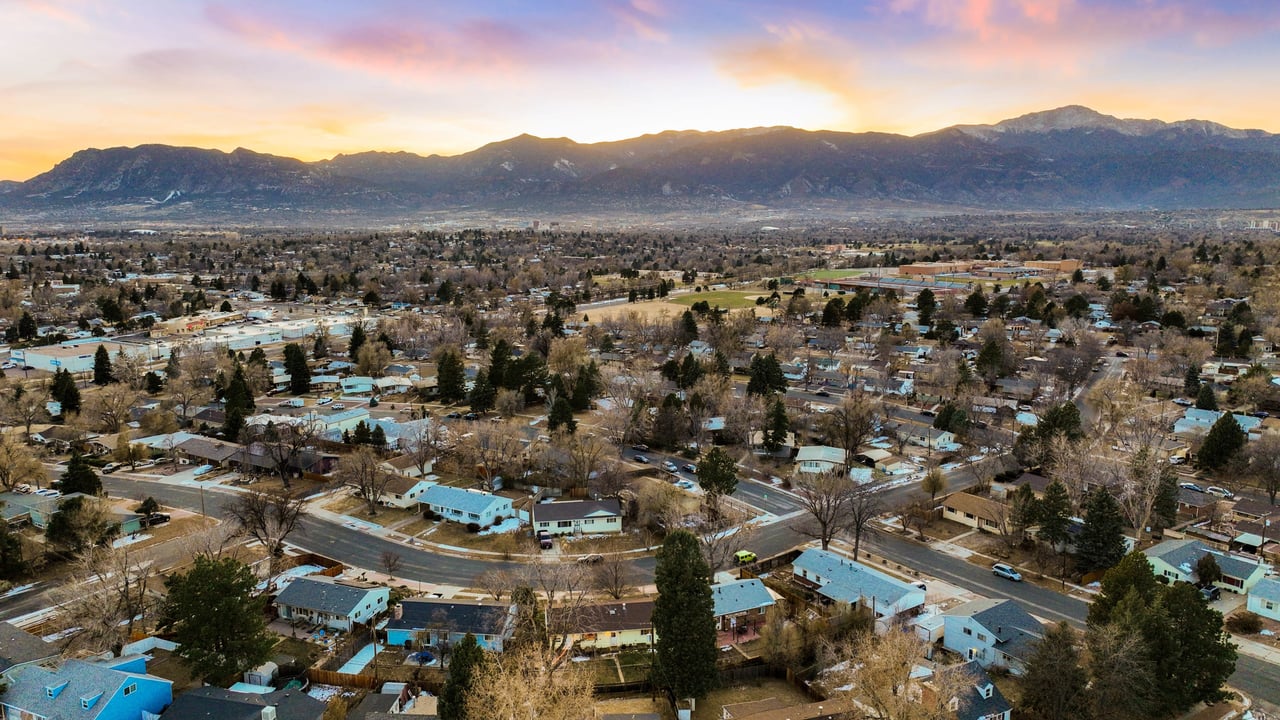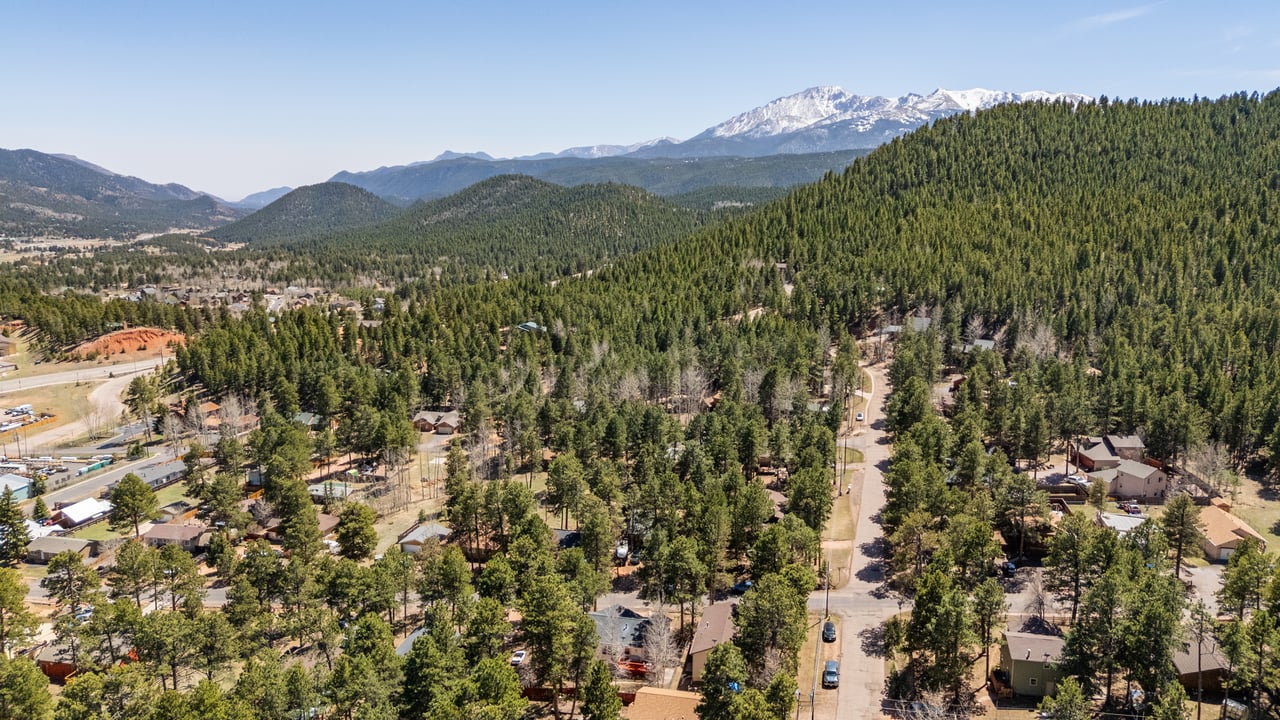
Woodland Park sits at 8,465 feet in Teller County, about 25 minutes northwest of Colorado Springs along Highway 24. Known as the "City Above the Clouds," this mountain community of roughly 12,800 residents offers something the city can't: pine-covered lots, cooler summers, Pikes Peak views from nearly every direction, and a pace of life built around the outdoors. It's close enough to Colorado Springs for an easy commute but far enough removed that the energy shifts the moment you start climbing Ute Pass.
Woodland Park draws a mix of remote workers, retirees, and anyone who decided they'd rather wake up in the mountains than drive to them on weekends. People here tend to prioritize space, quiet, and access to trails over suburban subdivisions and shopping centers. Ready to start looking? Our buyers guide breaks down everything from first steps to closing day.
Outdoor access is the main draw. Lovell Gulch Trail is a local favorite, a 5.5-mile loop through Pike National Forest with aspen groves, creek crossings, Pikes Peak views, and the occasional moose sighting. The Crags Trail leads to dramatic rock formations at higher elevation with panoramic views of the Rampart Range. Manitou Park Lake offers a family-friendly loop trail with forest and water in one short outing. For longer day trips, Rampart Reservoir, Cheesman Canyon, and Ring the Peak trails are all a short drive away.
Inside town, Memorial Park has tennis courts, a playground, and a pond that freezes for ice skating in winter. The Meadow Wood Sports Complex adds athletic fields and an outdoor ice rink. The Woodland Park Aquatic Center offers lap swimming and water aerobics for year-round indoor activity.
Woodland Park's downtown along West Midland Avenue is small but has character. Cafe Leo serves Norwegian sweet buns and specialty coffee in a cozy storefront. Fiesta Mexicana has been a local staple for over 20 years serving authentic Mexican food with generous portions. Fusion Japan surprises visitors with fresh sushi and Thai dishes in a mountain town. Boards & Barrels and Red Diamond Gastro Pub round out the dining options for a night out without driving to the Springs.
For groceries, City Market and Safeway handle everyday needs. Antique shops, gift stores, and small local retailers line the main drag. For bigger shopping trips, the stores along Highway 24 closer to Colorado Springs are about 20 minutes east. Woodland Park's Downtown Development Authority has also been investing in the Tava House Development, a multi-use project near the town center that will add new dining and event space.
The local school district, Woodland Park RE-2, covers the town along with Divide, Florissant, and surrounding areas. The district is well-regarded and ranks among the top 20 in Colorado, with schools that include Columbine Elementary, Gateway Elementary, Summit Elementary (in Divide), Woodland Park Middle School, and Woodland Park High School. Small class sizes and a student-teacher ratio of about 14 to 1 are a big part of the appeal for families.
Highway 24 is the main route connecting Woodland Park to Colorado Springs. The drive to western Colorado Springs takes about 20 minutes, and downtown Colorado Springs is roughly 30 minutes depending on traffic. Most residents who commute find the tradeoff worth it for the mountain lifestyle. Highway 24 also heads west toward Divide, Cripple Creek, and Buena Vista for weekend exploring. Remote workers are an increasingly large part of the community, drawn by fast internet access in most neighborhoods and a home office with a view that's hard to beat.
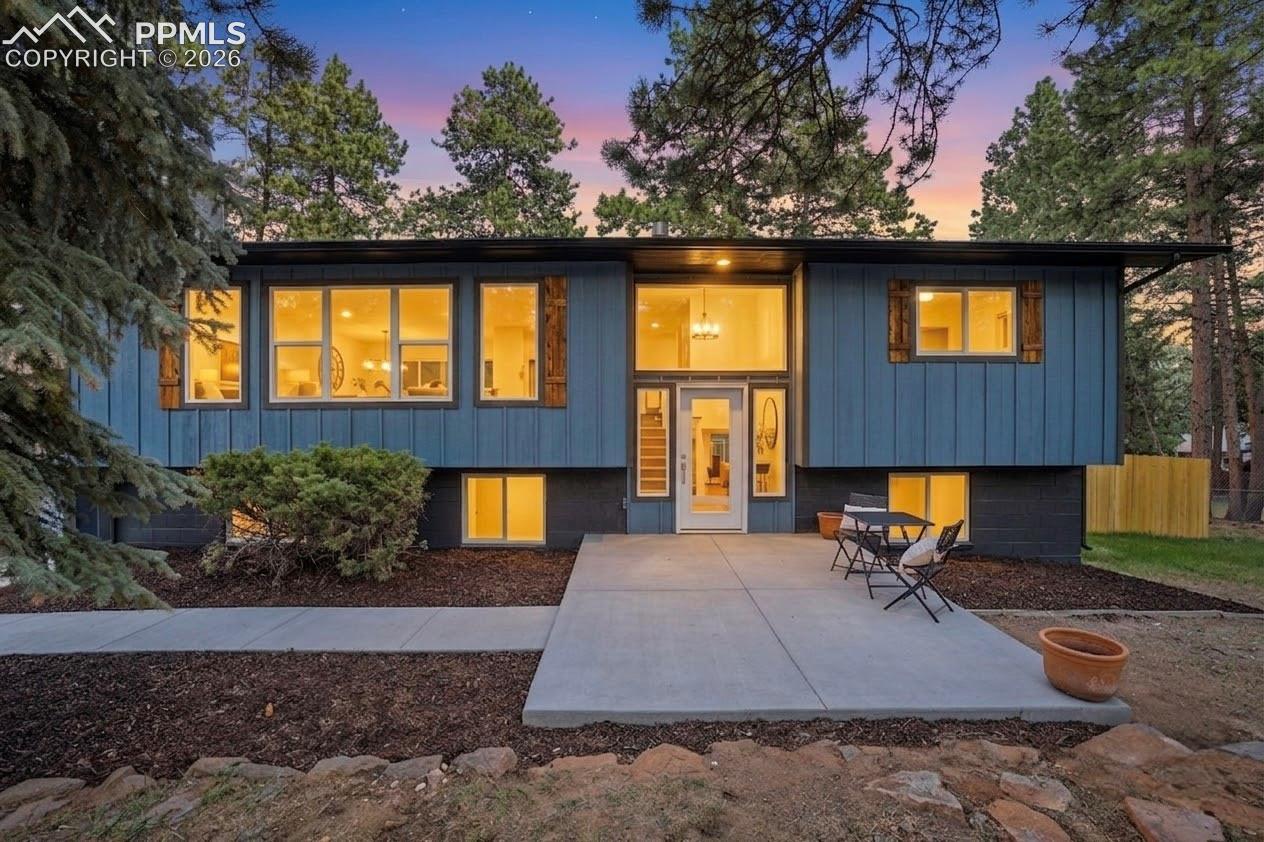
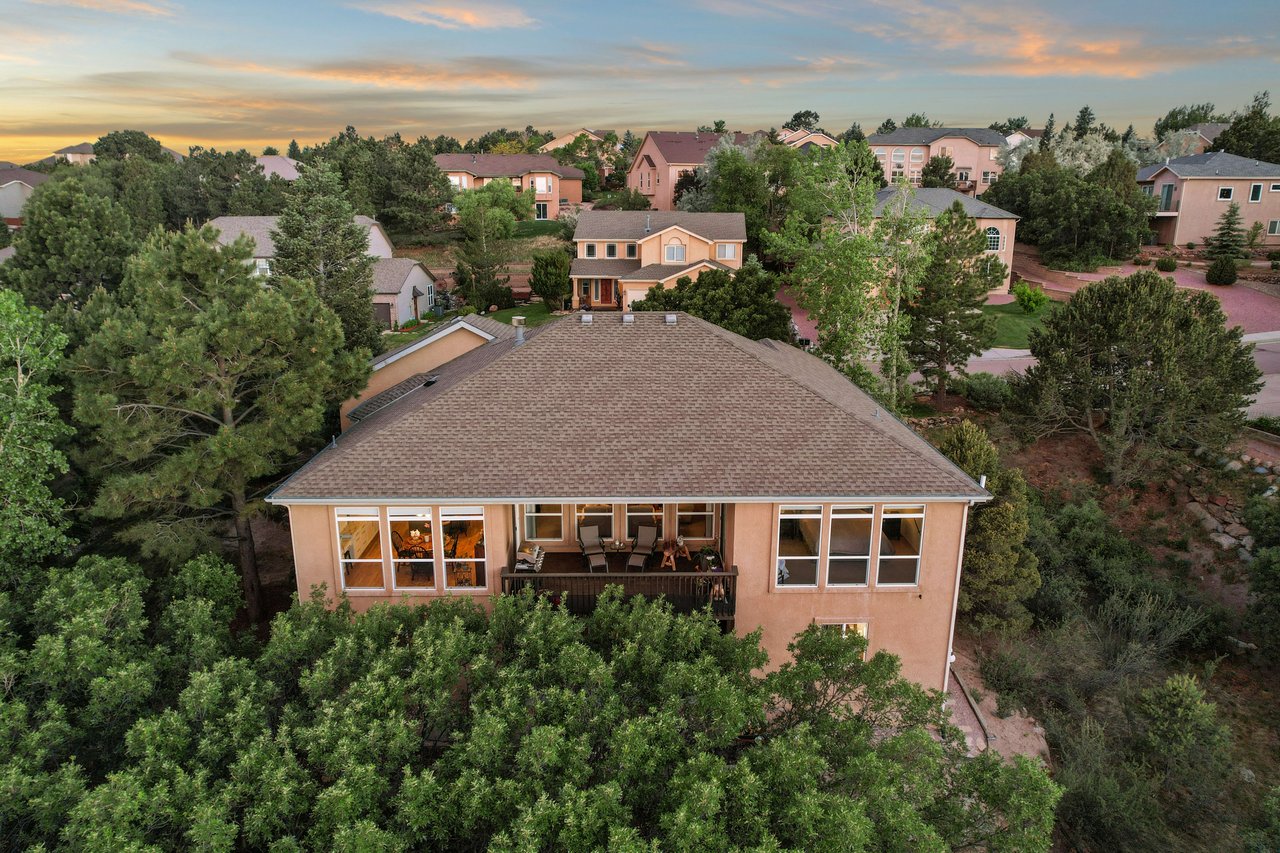
The homes in Woodland Park look nothing like Colorado Springs subdivisions. You'll find ranch-style homes, log cabins, mountain chalets, and custom-built properties scattered across wooded lots. Many homes sit on half an acre or more, surrounded by ponderosa pine and spruce trees with views of Pikes Peak or the surrounding ridgelines. Most homes have no HOA, which gives homeowners more freedom with their property.
Newer construction is concentrated in subdivisions like Brecken Heights, Paradise of Colorado, and Ranch Estates, often on the outskirts of town with clearer views and more modern floor plans. Established neighborhoods like Evergreen Heights, Stone Ridge Village, Sunnywood, and Westwood Lakes offer mature trees, larger lots, and homes with real character built from the 1980s through the early 2000s.
The terrain means some properties sit on slopes, back to national forest, or are surrounded by wildlife corridors. Homes in wooded settings require some seasonal maintenance like tree trimming, snow removal, and wildfire mitigation, but that's part of mountain living. The Johnson Team helps buyers evaluate these factors alongside the property itself, so there are no surprises after closing.
Woodland Park is home to about 12,800 residents with a median age of 45.7 and an average individual income of roughly $47,000. Over 76% of residents own their homes, and about 42% of adults hold a bachelor's degree or higher. It's a well-educated, financially stable community that chose mountain living on purpose.
How far is Woodland Park from Colorado Springs? About 25 minutes via Highway 24 to western Colorado Springs, roughly 30 minutes to downtown.
Is Woodland Park a good place to live year-round? Yes, though it fits a specific lifestyle. Summers run 15 to 20 degrees cooler than Colorado Springs, which most residents consider a major benefit. Winters bring more snow and require preparation, but roads are well-maintained and the community is used to mountain weather.
What types of homes are available in Woodland Park? Ranch homes, log cabins, mountain chalets, custom builds, townhomes, and newer construction in planned subdivisions. Lot sizes are generally larger than what you'll find in Colorado Springs, and most properties do not have an HOA.
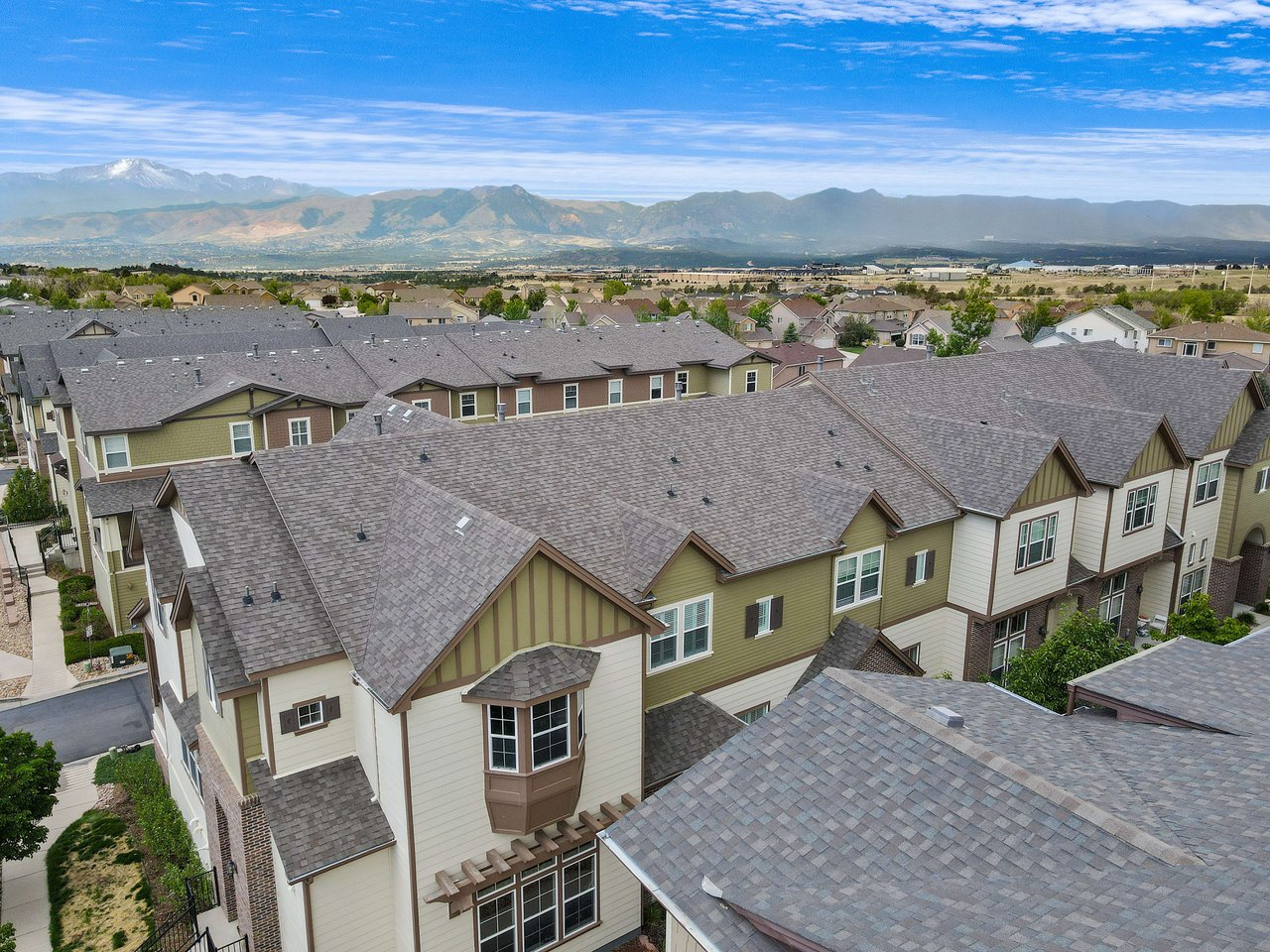
Are there condos or townhomes in Woodland Park? Yes. You'll find townhomes and condo complexes in several areas of town, offering a lower-maintenance option for buyers who want mountain living without the upkeep of a large lot.
What should buyers know about mountain living in Woodland Park? Elevation, wildlife, and terrain are part of the package. Tree trimming, wildfire mitigation, and snow removal are routine. Some properties rely on well water and septic systems rather than city utilities. The Johnson Team walks buyers through all of these considerations before you make an offer.
Whether you're relocating to the Pikes Peak region, looking for a mountain home close to Colorado Springs, or considering Woodland Park for the first time, The Johnson Team knows the area and can help you compare neighborhoods, evaluate properties, and navigate mountain real estate.
12,823 people live in Woodland Park, where the median age is 45.7 and the average individual income is $46,919. Data provided by the U.S. Census Bureau.
Total Population
Median Age
Population Density Population Density This is the number of people per square mile in a neighborhood.
Average individual Income
Woodland Park has 5,261 households, with an average household size of 2.43. Data provided by the U.S. Census Bureau. Here’s what the people living in Woodland Park do for work — and how long it takes them to get there. Data provided by the U.S. Census Bureau. 12,823 people call Woodland Park home. The population density is 73.94 and the largest age group is Data provided by the U.S. Census Bureau.
Total Population
Population Density Population Density This is the number of people per square mile in a neighborhood.
Median Age
Men vs Women
Population by Age Group
0-9 Years
10-17 Years
18-24 Years
25-64 Years
65-74 Years
75+ Years
Education Level
Total Households
Average Household Size
Average individual Income
Households with Children
With Children:
Without Children:
Marital Status
Blue vs White Collar Workers
Blue Collar:
White Collar: