2025 Colorado Springs Market Recap
The Bottom Line
Colorado Springs’ housing market moved through three distinct phases from 2023 to 2025: a demand reset, a modest price push, and finally, a clear shift toward slower transactions and increased negotiation. For our past clients, this means while your home equity likely remains high, the "market speed" has returned to a more traditional, balanced pace.
Market Snapshot: 2023 – 2025
| Metric | 2023 | 2024 | 2025 |
|---|---|---|---|
| Median Sale Price | $452,000 | $466,000 (+3.1%) | $469,350 (+0.7%) |
| New Listings | 13,754 | 14,985 (+9.0%) | 15,919 (+6.2%) |
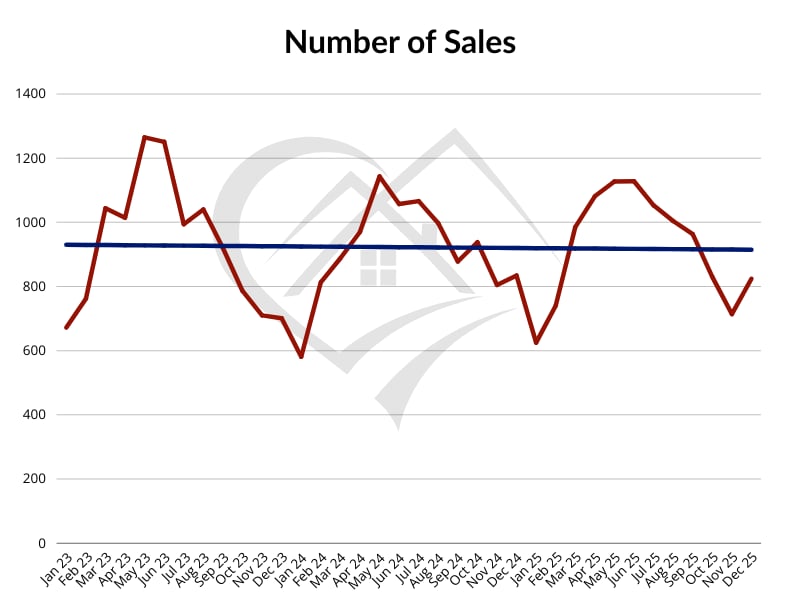
| Number of Sales | 11,159 | 10,970 (-1.7%) | 11,074 (+.9%) |
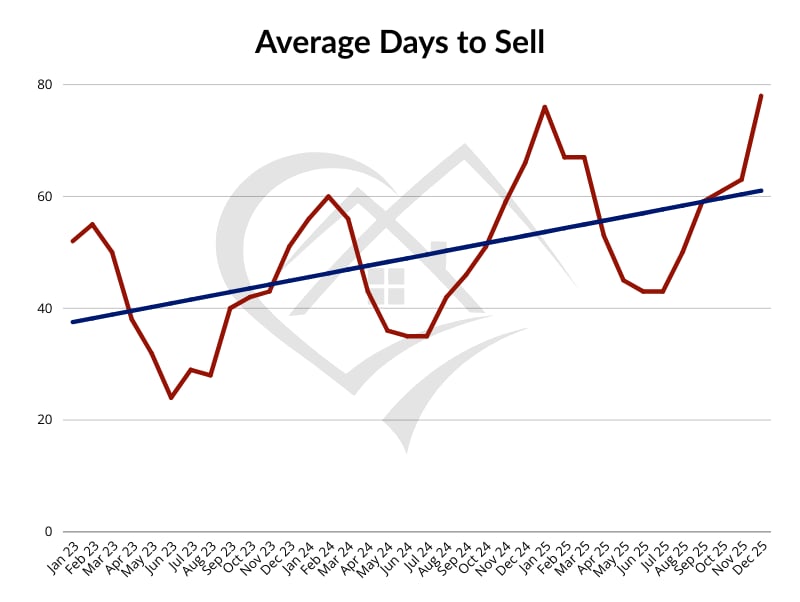
| Days to Sell | 38.7 days | 47.5 days | 57 days |
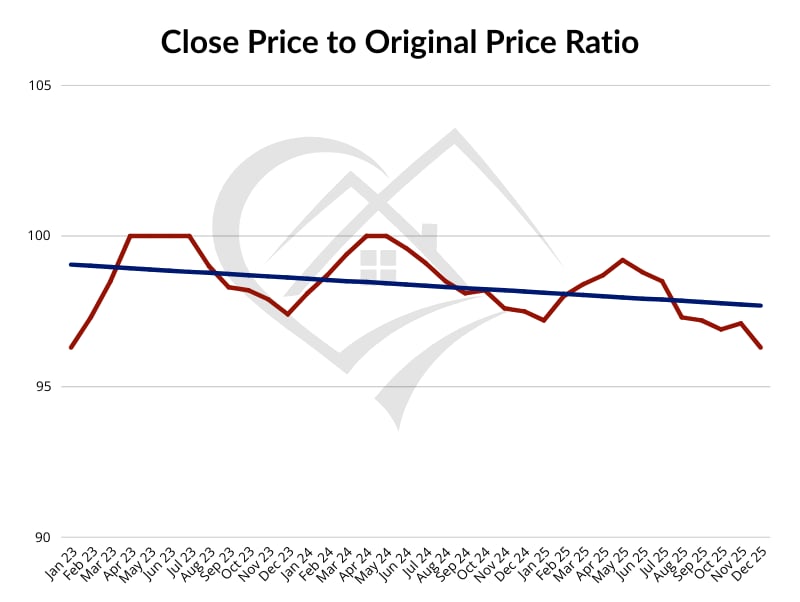
| List Price Received | 98.80% | 98.82% | 97.91% |
| Active Listings | 2,442 | 3,092 (+26.6%) | 3,794 (+22.7%) |
*Data represents full annual monthly datasets for Colorado Springs.
Understanding Your Home Value
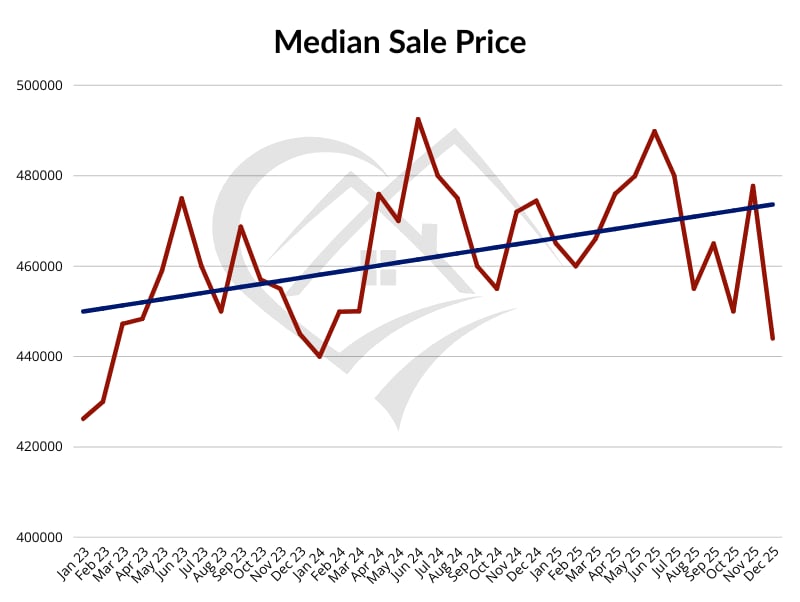
2025 is the year where market stability became the primary narrative. While the pace of appreciation has slowed from previous peaks, the year-end median sales price edged up to $469,350. This indicates that while buyers have gained leverage, home values in Colorado Springs remain resilient.
Inventory vs. Sales
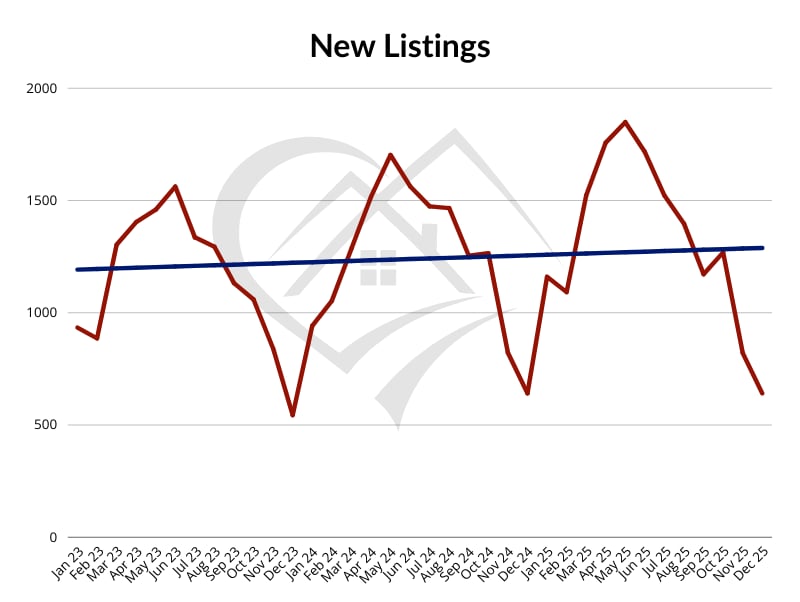
Inventory continued to rise while sales stayed essentially flat. The market absorbed a growing flow of supply without a matching increase in completed demand. As a homeowner, this means there is more competition if you choose to list your home today.
The Shift in Negotiation Leverage
Average days to sell increased to 57.0 days in 2025. Across the last three years, we see a clear trend: when homes take longer to sell, sellers give up more from their original list price. This is negotiation leverage showing up in measurable outcomes.
Looking Ahead to 2026
Inventory and sale pace moved out of alignment in 2025. This structural change toward a slower sale process means your strategy as a buyer or seller must adapt.
For Buyers
You gained practical leverage in 2025. With more choice and more time, you can be more selective about pricing and condition than at any point since 2020.
For Sellers
The market is no longer rewarding "price testing." Sellers who price precisely and invest in high-quality presentation from day one are seeing much better results.
How does your neighborhood compare?
While these city-wide averages are a great guide, real estate is hyper-local. If you are curious about the current value of your specific home, we are happy to provide a custom Equity Review.
Request Your Equity Review