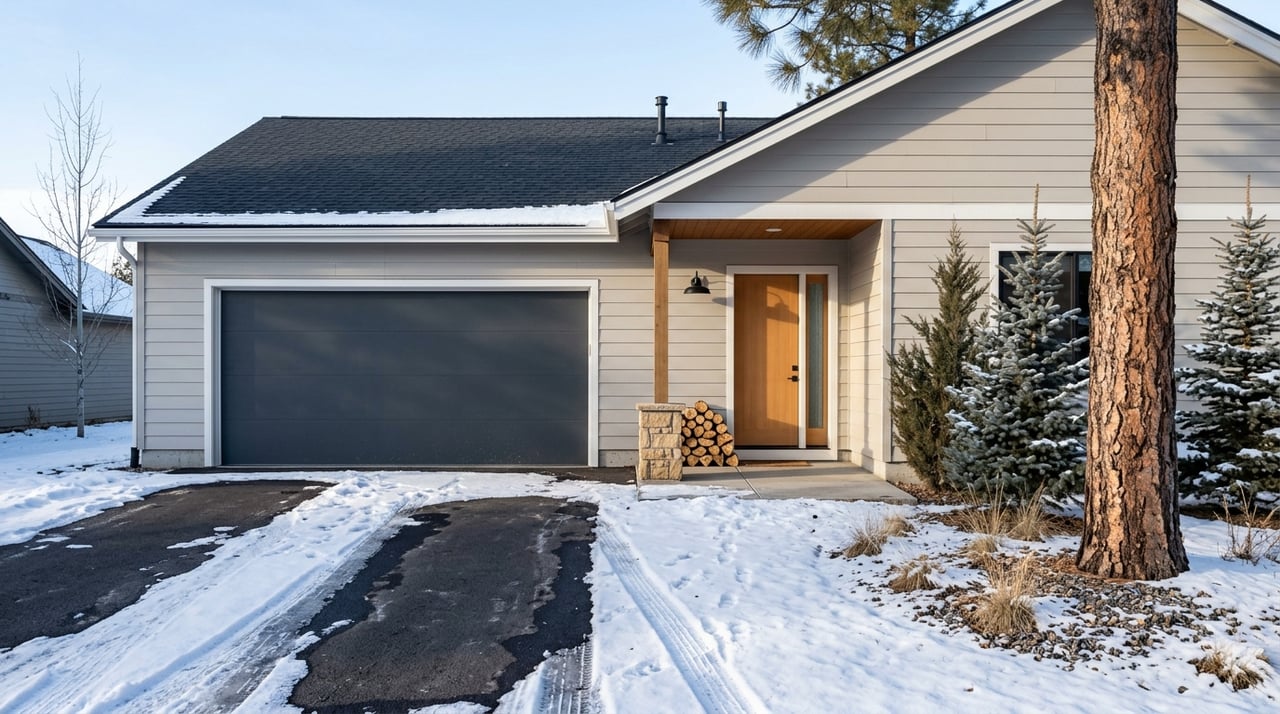
Wondering if Woodland Park is the right fit for your version of mountain living? If you want cool air, quick access to trails, and a true small-town rhythm without being completely cut off from Colorado Springs, this mountain city deserves a close look. The key is knowing what daily life really feels like here, from winter snow to commute patterns to the shape of the town itself. Let’s dive in.
Why Woodland Park Stands Out
Woodland Park is a compact city in Teller County with a 2020 population of 7,920 and an estimated 8,014 residents in 2025. It covers 6.61 square miles, which helps explain why it feels more like a complete mountain town than a spread-out suburb. With a 76.5% owner-occupied housing rate, it also reads as a place where many residents put down roots.
The town is often described as the City Above the Clouds, and the elevation tells you why. Local sources place Woodland Park at roughly 8,465 to 8,527 feet above sea level. That setting shapes everything from the views to the weather to how you plan a normal week.
Mountain Living Means Real Elevation
If you are considering Woodland Park, it helps to think beyond scenery. At this elevation, mountain weather is not a once-in-a-while event. It is part of everyday life, and conditions can change quickly.
The city advises residents and visitors to expect changing mountain conditions and to check road conditions before traveling. Colorado traction and chain laws run from September through May, which gives you a good sense of how long winter driving awareness stays relevant here. If you love four distinct seasons, Woodland Park offers that in a very real way.
What Winter Feels Like
Snow is normal in Woodland Park, not unusual. The city begins plowing once 4 inches have accumulated or when conditions require, and it works to keep 62 miles of roadway accessible within city limits. A local city engineering manual uses about 140 inches of snow as a planning reference for a typical winter, which shows how seriously snowfall shapes infrastructure and daily routines.
That does not mean life stops every time it snows. It does mean you should expect winter prep to be part of homeownership and travel. In Woodland Park, snow awareness is just part of living well in the mountains.
Commuting From Woodland Park
A lot of buyers ask the same question: can you live in Woodland Park and still stay connected to Colorado Springs? In many cases, yes. But it is important to understand that this is a mountain commute, not a flatland suburban one.
Colorado travel information describes Woodland Park as about a 20-minute drive up Ute Pass from Colorado Springs in ideal conditions. At the same time, CDOT notes that US 24 is the only highway route into the Rocky Mountains for nearly 50 miles north and south of Colorado Springs, and the Ute Pass corridor can be affected by weather closures and flood events. The Census Bureau reports a mean travel time to work of 26.3 minutes, which suggests commuting is common, but not always effortless.
What That Means Day to Day
If you work in Colorado Springs or need regular regional access, Woodland Park can still work well for you. The tradeoff is that road conditions matter more here than they do in lower-elevation communities. A clear day and a snow day can create very different travel experiences.
That is why Woodland Park often appeals to buyers who value flexibility, outdoor access, and a slower daily pace. If you can build a little margin into your routine, the location can feel very rewarding.
Outdoor Access Is Built In
One of Woodland Park’s biggest lifestyle advantages is how closely outdoor recreation is tied to daily life. This is not just a town near nature. The trail network and public land access are woven into the community itself.
The city reports 66.67 acres of developed parks, 38.37 acres of open space and greenways, and 4.61 miles of trails. Local trail options include the Centennial Trail, the Downtown Mile, and the American Discovery Trail, giving residents practical ways to walk, bike, or explore without driving far.
Trails Close to Town
The Centennial Trail is a strong example of Woodland Park’s layout. The city describes it as a 3.7-mile paved route through town from the visitor center on Midland Avenue, then continuing another 3.3 miles along Highway 67 to Manitou Lakes Recreation Area. That kind of access can make outdoor time feel easier to fit into a normal day.
For larger outings, Rampart Reservoir Recreation Area sits about 4.2 miles east of Woodland Park on Rampart Range Road. The Forest Service notes the shoreline trail is about 11.5 miles, while also pointing out that the access road can be rough and rutted. So yes, recreation is close, but mountain access still comes with mountain-road realities.
A Small-Town Core With Daily Convenience
Some mountain towns feel beautiful but isolated. Woodland Park offers a different balance. It has its own downtown identity, regular community activity, and a pace that feels local rather than purely tourist-driven.
The city’s Main Street Program focuses on community-led downtown revitalization, while the Downtown Development Authority aims to improve appearance, encourage pedestrian traffic, and relieve congestion. Those efforts support a downtown that is meant to be used, not just passed through.
The city also notes that traffic may move slowly and parking can be tight at times. That may sound minor, but it tells you something important about everyday life here. Woodland Park functions like an active town center, with errands, events, and local movement concentrated into a compact area.
Community Rhythm Matters
Regular concerts at the Ute Pass Cultural Center add to the year-round local calendar. Combined with the trail system and downtown core, that helps create a town where you can stay engaged without constantly driving elsewhere. For many buyers, that is a major part of the appeal.
If you want mountain scenery but do not want every need to require a long trip, Woodland Park offers a more grounded day-to-day experience. You are in the mountains, but you are not removed from town life.
What Different Areas Feel Like
Woodland Park is small enough that broad lifestyle patterns matter more than formal neighborhood labels. Based on the city’s footprint, downtown structure, and trail layout, many buyers tend to think about the area in three general settings rather than sharply divided districts.
You will find a compact downtown core, in-town residential streets, and more wooded edge-of-town settings near trail access. Each offers a slightly different feel, even within a relatively small city.
Downtown Core
The downtown area tends to appeal to buyers who want to stay close to local businesses, events, and a more walkable rhythm. It can feel active and connected to the town’s civic identity. If convenience and community atmosphere matter to you, this setting is worth a close look.
In-Town Residential Areas
In-town residential streets often offer a middle ground. You can stay close to daily needs while still enjoying the mountain setting that defines Woodland Park. For many buyers, this is where convenience and quieter living meet.
Wooded Edge-of-Town Settings
Homes near the edges of town may offer a more tucked-away feel and easier access to trails or open space. These settings can feel especially appealing if your priority is privacy, trees, and a stronger connection to the outdoors. The tradeoff can be a little more drive time for errands or appointments.
Is Woodland Park Right for You?
Woodland Park makes the most sense if you are drawn to mountain living and comfortable with the tradeoffs that come with it. You get elevation, weather, a real winter, and strong access to public land. In return, you need patience with snow, road conditions, and a slower pace of travel.
For many buyers, that balance is exactly the point. Woodland Park is not pretending to be a suburb with mountain views. It is a true mountain town where the setting shapes everyday life.
If you are comparing nearby communities, Woodland Park often stands out for buyers who want more than weekend scenery. It offers a resident-driven feel, a compact downtown, and outdoor access that is part of the routine, not a special trip.
If you are thinking about buying in Woodland Park or want help comparing it to other areas near Colorado Springs, The Johnson Team can help you narrow down the right fit and move with confidence.
FAQs
How snowy is winter in Woodland Park, Colorado?
- Woodland Park treats snow as a normal part of life. The city starts plowing after 4 inches of accumulation or as conditions require, and a city engineering document uses about 140 inches of snow as a planning reference for a typical winter.
Is commuting from Woodland Park to Colorado Springs realistic?
- Yes, often it is. In ideal conditions, the drive is often described as about 20 minutes up Ute Pass, but US 24 is a weather-sensitive mountain corridor, so travel times and access can vary.
Does Woodland Park feel isolated for full-time living?
- Usually no. Woodland Park has its own downtown, community events, parks, and trails, while Colorado Springs remains within reach for many residents.
Are trails and outdoor recreation actually close in Woodland Park?
- Yes. The city has its own trail network, including the Centennial Trail and Downtown Mile, and larger destinations like Rampart Reservoir are nearby, though some access roads can be slower and rougher.
What kind of housing areas can you expect in Woodland Park?
- Buyers often think of Woodland Park in three broad settings: a compact downtown core, in-town residential streets, and more wooded edge-of-town areas near trail access.